

ADHD Awareness Talks
I also offer ADHD awareness talks for schools, employers, and families, helping to build a clearer and more informed understanding of how ADHD presents and is experienced.
ADHD is widely misunderstood, and many people — particularly girls and women — go unrecognised for years, often becoming highly skilled at masking their difficulties.
ADHD rarely exists in isolation, and is often experienced alongside anxiety, OCD, or the effects of ongoing stress and burnout.
Living with undiagnosed ADHD can be deeply challenging. Many individuals develop patterns of overcompensation, pushing themselves to keep up, often at significant personal cost. Over time, this can lead to exhaustion, low self-esteem, and burnout.
Developing a clearer understanding of these patterns can bring a significant sense of relief, and create the conditions for more sustainable and supportive ways of living and working.
ADHD Assessment & Clarity Sessions
Option of Ongoing Support
Using recognised ADHD assessment tools aligned with NICE guidelines, I offer structured ADHD assessment and clarity sessions for adults who are wondering whether ADHD may be part of their experience. For those who wish to go further, ongoing coaching and therapeutic support is available, helping to translate understanding into practical, personalised strategies.MEDICATION: My assessments are in line with NICE guidelines so if medication is considered a useful next step I work with a couple of carefully selected Psychiatrists under the Transfer of Care plan. You do not therefore need to be reassessed to access medication.
ADHD Assessment
I offer structured ADHD assessment and clarity sessions designed to help you better understand whether ADHD may be contributing to the challenges you are experiencing.
Across two one-hour conversations, we explore how attention, focus, motivation, emotional regulation, and overwhelm may be showing up in your work, relationships, and everyday life. Because ADHD is developmental, we also look more broadly at childhood patterns and life history to build a fuller picture of how these experiences may have evolved over time.
The process uses recognised NICE guideline aligned assessment frameworks and validated tools - including the DIVA interview, BDEFS, ASRS, and Developmental history - helping to ensure the assessment is thorough, thoughtful, and clinically grounded.
Importantly, we don’t look at ADHD in isolation. Factors such as stress, burnout, anxiety, trauma, and sleep difficulties can often overlap with ADHD presentations, so careful exploration helps avoid oversimplifying what may be a more nuanced picture.
Following the assessment, you will receive a comprehensive written report summarising the findings, along with thoughtful guidance on next steps and support options.
At its best, the process offers something many people have not had before - a clearer, more compassionate understanding of how their mind works and what may genuinely help moving forward.
ADHD Therapeutic Coaching & Support
ADHD support is not just about managing symptoms — it’s about understanding how your mind works, and building ways of living and working that feel more sustainable.
Many adults with ADHD have spent years overcompensating, masking difficulties, or pushing themselves through exhaustion in order to cope. Over time, this can impact confidence, relationships, sleep, emotional regulation, and overall wellbeing.
My approach combines therapeutic coaching with psychological insight, helping you understand the patterns underneath the overwhelm while developing practical strategies that genuinely work for your brain.
Together, we may work on areas such as:
focus and follow-through
emotional regulation and overwhelm
burnout and nervous system exhaustion
confidence and self-criticism
routines, structure, and accountability
sleep and energy regulation
work, relationships, and communication
The aim is not to become a different person, but to develop a more compassionate, effective, and sustainable way of working with yourself
Does this feel familiar?……
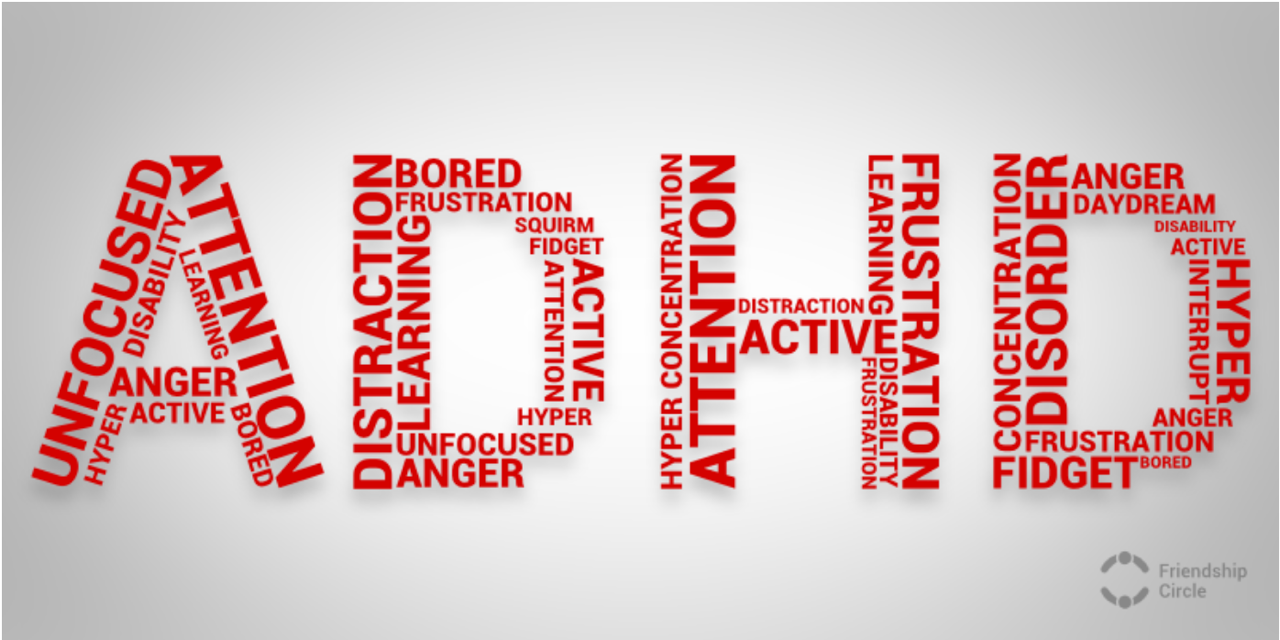
Why does starting even simple tasks sometimes feel like climbing a mountain?
Why do I get distracted so easily - even by my own thoughts?
Why can I focus for hours on some things, but not begin others at all?
Why does everything feel either urgent or impossible?
Why do I rely on pressure or deadlines just to get things done?
Why do I feel like I should be able to manage this - but can’t quite?
Why does my mind feel overloaded, like too many thoughts at once?
Why do I end up completely drained from trying to keep everything together?
See below for a fuller explanation of the common presentations of ADHD.
How the ADHD Assessment Works
-

What to Expect from an ADHD Assessment Session
A detailed clinical conversation
Over two 1 hr conversations we’ll explore your current challenges - how attention, focus, motivation, and emotions show up in your work, relationships, and day-to-day lifeLooking at the bigger picture over time
ADHD is developmental, so we’ll explore childhood patterns and life history to understand how things have evolvedUse of recognised assessment tools
Structured frameworks (the DIVA interview), Self-report measures Barkley Deficits in Executive Functioning Scale (BDEFS), ASRS, and a developmental history to ensure the process is thorough, consistent, and aligned with clinical guidelinesCareful consideration of the full picture
We’ll also explore factors such as stress, burnout, anxiety, or sleep - ensuring we don’t oversimplify what may be a more nuanced pictureBefore the Session
You will be asked to complete some brief questionnaires, and (where possible) share any helpful background information such as school reports or observations from family
-

What you leave with
You will leave with:
A comprehensive report
Following the session, you will receive a personalised 5–8 page written summary exploring key themes, patterns, and presentations across your life history.
A clearer understanding of yourself
A sense of why things may have felt harder - often bringing relief, validation, and a softening of self-criticismA grounded, evidence-based perspective
A careful exploration of whether ADHD is present, and how it may sit alongside things like anxiety, burnout, or low moodA fuller picture of your patterns
Insight into your attention, motivation, energy, and emotional responses - including both strengths and challengesA sense of direction
Clear next steps, whether that’s pursuing a formal diagnosis, considering medication, or focusing on coaching and therapeutic supportA more compassionate relationship with yourself
Moving from “What’s wrong with me?” to “This makes sense - and I can work with this”At its best, this process offers something many people haven’t had before: a clear, thoughtful understanding of how your mind works and what will actually help.
-

What is the cost
Fee: £650
Some concessionary spaces available.This includes:
- the assessment sessions
- structured clinical exploration
- written summary report
- practical recommendations and next-step guidance(For context, a full private psychiatric ADHD assessment in the UK often costs between £1200–£2,000+. These sessions are designed as a thoughtful, clinically grounded first step offering clarity, understanding, and direction without requiring an immediate commitment to a full diagnostic pathway.)
The written summary may also be shared with your GP, employer, or other professionals where appropriate to support further conversations and accommodations. -

Ongoing Support
An assessment can bring clarity — but it’s what comes next that really creates change. This can include;
Making sense of the diagnosis
Understanding how ADHD shows up in your patterns, strengths, and challenges - often bringing a sense of relief and self-compassionTurning insight into action
Gentle, realistic strategies for focus, organisation, motivation, and follow-throughEmotional regulation and confidence
Support with overwhelm, self-doubt, and the intensity that can come with ADHDBuilding sustainable routines
Creating ways of working and living that feel supportive - not rigid or punishingAccountability and momentum
Regular check-ins that help you stay connected to what matters, without pressure or shameSupporting the whole system
Attention to sleep, energy, and nervous system regulationAt its best, this stage is about integration - not just understanding ADHD, but learning how to live well with it.
Clinically grounded, thoughtfully applied
·
Clarity built on clinical rigour
·
Assessment with care and precision
·
Clinically grounded, thoughtfully applied · Clarity built on clinical rigour · Assessment with care and precision ·
Common ADHD Presentations
ADHD doesn’t always look the way people expect.
In adults, particularly those who are thoughtful, capable, and used to coping, it can show up in more subtle ways.
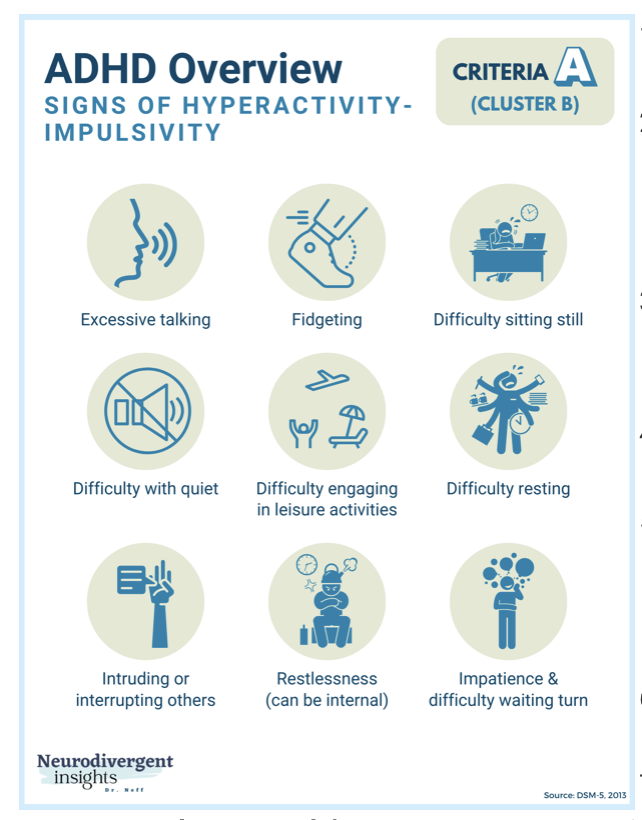
Hyperactive / Impulsive Presentation
(often more internalised in adults)This may look like:
a constant sense of restlessness or being “on edge”
difficulty relaxing, even during downtime
talking quickly or interrupting without meaning to
impatience — with people, processes, or delays
making decisions quickly, sometimes regretting them later
jumping between ideas, projects, or plans
feeling driven to stay busy, even when exhausted
Often experienced as: “My mind doesn’t switch off.”
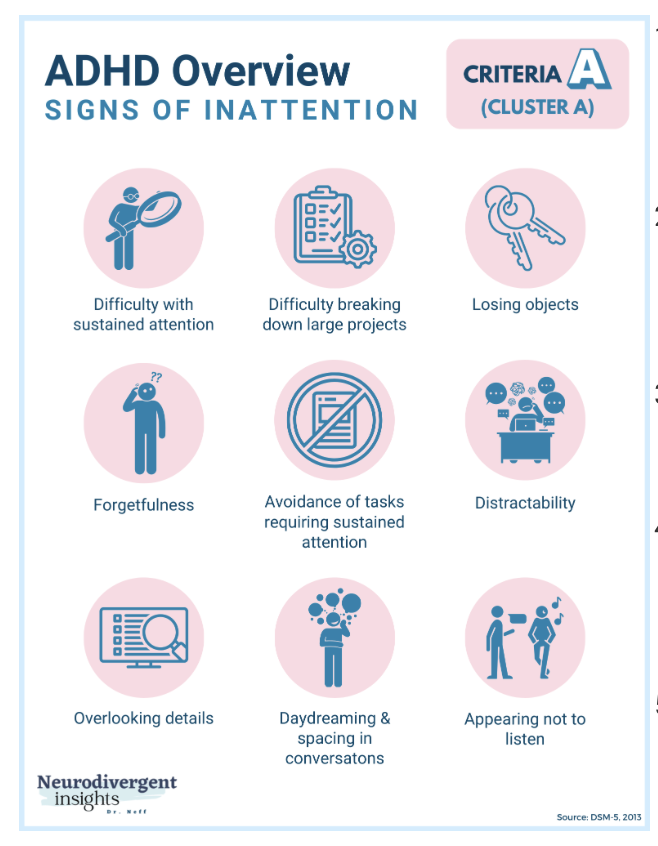
Primarily Inattentive Presentation
(often missed, especially in women and high-functioning adults)People often describe:
difficulty starting tasks, even when they matter
feeling mentally “foggy” or slow to get going
losing track of conversations or reading the same thing twice
being easily distracted by thoughts rather than the environment
forgetfulness — appointments, names, everyday details
a sense of underperforming despite capability
appearing calm on the outside, but busy internally
Often experienced as: “I know what to do… I just can’t seem to do it consistently.”
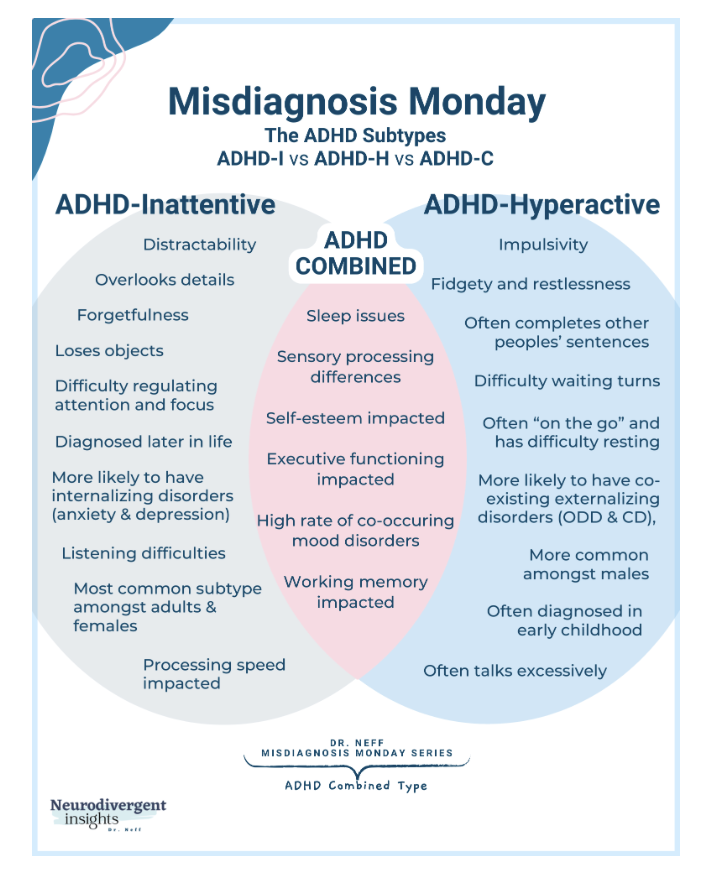
(a mix of both — very common in adults)Combined Presentation
People may notice:
cycles of high focus followed by avoidance or burnout
starting many things, finishing fewer
periods of strong motivation alongside complete shutdown
emotional intensity — frustration, overwhelm, self-criticism
difficulty regulating energy, attention, and mood
feeling both mentally restless and physically drained
Often experienced as: “I’m either fully in, or completely stuck.”
It’s easy to assume ADHD when something about your mind feels harder than it should.
Many of the same patterns can also be shaped by trauma, stress, burnout, sleep disruption, or long-standing pressure.
Equally, ADHD can be missed when it shows up in quieter, more internal ways.
This is why careful, structured exploration matters.
Most people will recognise some of these traits from time to time. It’s when they are persistent, hard to manage, and begin to interfere with day-to-day life that they may point to something more.
This is a guide to help you recognise patterns that may be worth exploring further. If you recognise yourself in some of these patterns, an ADHD Clarity Session can help you understand what may be driving them and what to do next.
I work in person in Chichester and London and online.
7 things that make ADHD worse:
[Poor Sleep Habits] (Inconsistent Sleep/Insomnia): Lack of rest diminishes brain function, directly intensifying poor concentration, irritability, and impulsivity.
[Lack of Structure & Routine: ADHD brains thrive on structure; the absence of a set schedule makes managing time and tasks much harder.
[High Stress & Poor Coping Mechanisms]: Unmanaged stress or emotional triggers can cause hyper-fixation on anxiety and reduce the ability to regulate attention.
[Poor Diet & Blood Sugar Crashes]: High consumption of sugary foods, unhealthy fats, and processed foods can increase hyperactivity and hinder focus.
[Digital Overload & Over-Stimulating Environments]: Too much screen time, noise, or clutter can overtax the senses and worsen distraction.
[Lack of Physical Exercise]: Physical inactivity restricts the release of dopamine and norepinephrine, which are essential for focus and mood management.
[Hormonal Shifts & Inconsistent Treatment]: For women, hormonal changes (PMS, menopause) can cause massive symptoms spikes, often made worse by improper medication management

-
"I have wondered and wondered and wondered, and now I know, it's such a relief."
- Therapy client
-
"Knowing why some things feel so hard makes it feel so much better, now instead of blaming myself I just try a different way."
Therapy client
-
Before this, I thought I was just bad at life. The assessment explained a lot, it was working with Candida that really changed things. She helped me understand my brain in a way that felt compassionate. I’ve gone from feeling overwhelmed and self-critical to feeling more steady, capable, and hopeful.
Therapy client
Book recommendations
Taking Charge of Adult ADHD by Russell BarkleyA comprehensive guide that reframes adult ADHD as a disorder of executive function and self-regulation rather than simply a problem of attention. Drawing on decades of research, Barkley provides practical, evidence-based strategies, guidance on treatment options, and lifestyle adaptations to help adults manage ADHD more effectively and thrive in their work, relationships, and everyday lives.
Delivered from Distraction by Edward Hallowell and John RateyA warm, accessible guide that explores adult ADHD through the lens of distraction, creativity, and untapped potential. Drawing on clinical experience and personal insight, the authors combine practical strategies, treatment guidance, and real-life examples to help adults understand their ADHD, harness their strengths, and reduce the impact of distraction on work, relationships, and daily life.
AUDHD Blooming Differently by Megan Anna Neff and Patrick CasaleAn insightful guide to the often-overlooked intersection of autism and ADHD. Combining practical strategies with lived experience, the book helps readers understand the strengths, challenges, and complexities of the AuDHD experience, while encouraging greater self-awareness, self-compassion, and authentic living.